
Private Therapeutic Yoga Sessions in London: Personalised Rehab and Recovery Support

Private therapeutic yoga sessions in London provide a structured, personalised approach to injury rehabilitation, chronic pain management, and long-term physical wellbeing.
Unlike general yoga classes, therapeutic sessions are designed around your specific condition, limitations, and recovery goals, combining movement, breathwork, and mindfulness to support both physical and neurological recovery.
Yoga Team connects you with certified instructors experienced in rehabilitation-focused yoga and Pilates, delivering sessions directly to your home.
Key Takeaways
Private therapeutic yoga sessions in London provide personalised support for injury recovery and chronic pain management.
Sessions combine movement, breathwork, and mindfulness to address both physical and neurological aspects of rehabilitation.
Instructors tailor each session based on individual assessments, ensuring safe and effective progression.
Integrating Pilates improves core stability, posture, and long-term injury prevention.
Therapeutic yoga supports mobility, reduces pain, and improves overall functional movement.
Private sessions allow for real-time adjustments that are not possible in group classes.
Flexible scheduling enables consistent rehabilitation without disruption to daily life.
What Is Therapeutic Yoga and How Does It Support Rehabilitation?
Therapeutic yoga is a specialised form of yoga that adapts traditional practices to support recovery from injury, chronic pain, or physical limitations.
It focuses on:
Controlled, low-impact movement
Breath regulation (pranayama)
Nervous system regulation
Gradual strength and mobility development
Unlike standard classes, therapeutic yoga prioritises function over intensity, ensuring movements support healing rather than strain.
How Therapeutic Yoga Helps Injury Recovery and Chronic Pain
Therapeutic yoga works by addressing multiple systems simultaneously.
Physical Recovery
Restores range of motion after injury
Strengthens stabilising muscles
Improves joint alignment and biomechanics
Nervous System Regulation
Reduces pain sensitivity through breathwork
Supports parasympathetic (recovery) state
Improves body awareness and movement control
Long-Term Pain Management
Reduces chronic tension patterns
Improves posture and movement habits
Supports sustainable recovery rather than short-term relief
This integrated approach is why therapeutic yoga is increasingly used alongside physiotherapy and rehabilitation programmes.
Yoga for Holistic Rehabilitation & Wellness
Rehabilitation is a multifaceted process that restores physical, psychological and social functioning after injury, illness or disability. Yoga — a holistic practice of physical postures (asanas), breathing techniques (pranayama) and meditation — has become a promising modality in rehabilitation. This paper examines the ways yoga can contribute to recovery, while noting challenges to its implementation and integration into mainstream healthcare.
Role of Yoga in Rehabilitation: Avenues and Challenges, S Veerakannan, 2024
Evidence Supporting Therapeutic Yoga in Rehabilitation
Research shows that yoga can support rehabilitation across physical, psychological, and functional domains.
In practice, clients commonly report:
Reduced pain levels
Improved mobility
Better quality of life
Increased confidence in movement
How Private Sessions Are Tailored to Your Condition
Every private yoga class in London begins with an assessment.
Your instructor will evaluate:
Injury history and current limitations
Pain patterns and movement restrictions
Lifestyle factors (e.g. sedentary work, stress)
Recovery goals
Sessions are then structured to:
Avoid aggravating movements
Introduce safe progressions
Build strength gradually
Reinforce correct movement patterns
This level of personalisation is essential for effective rehabilitation.
The Role of Expert Instructors in Rehab Yoga
Instructor expertise is critical in therapeutic yoga.
Yoga Team’s instructors:
Hold recognised certifications in yoga and rehabilitation-focused practices
Understand injury mechanics and movement compensation patterns
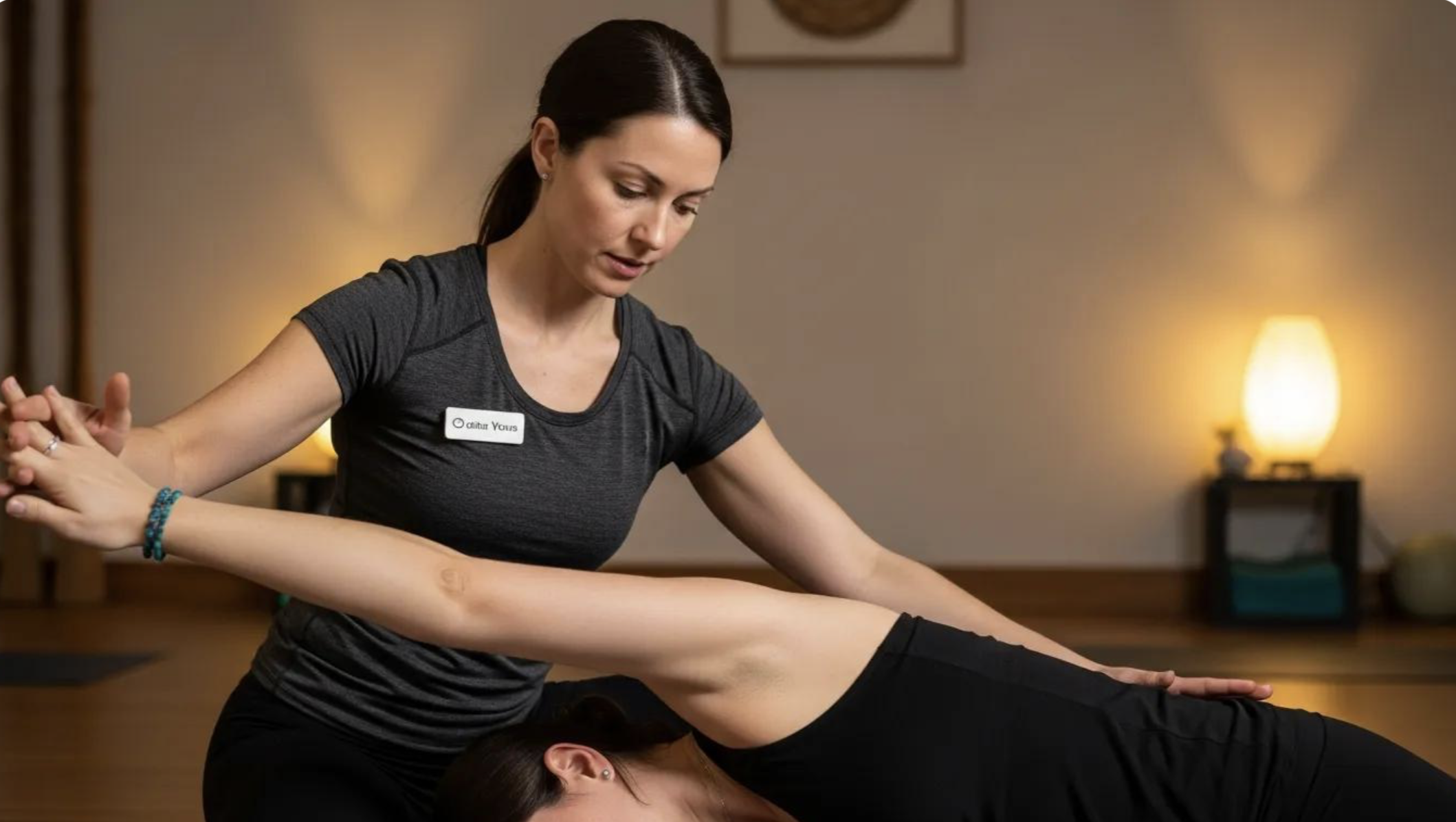
Provide real-time corrections and adaptations
Adjust sessions dynamically based on your response
This ensures each session remains safe, targeted, and effective.
Integrating Pilates Into Rehabilitation Programmes
Private pilates classes in London is often combined with therapeutic yoga to improve outcomes.
Why It Matters
Pilates strengthens deep stabilising muscles
Improves posture and spinal alignment
Enhances control and movement precision
When combined with yoga:
Mobility + strength are developed together
Recovery becomes more balanced
Risk of re-injury is reduced
This integration is particularly effective for:
Back pain
Postural issues
Core instability
Who Private Therapeutic Yoga Is Best For
Private sessions are particularly effective for:
Individuals recovering from injury or surgery
People managing chronic pain conditions
Office workers with posture-related issues
Athletes returning from injury
Anyone needing a low-impact, structured recovery approach
How to Book a Private Therapeutic Yoga Session in London
Booking is simple and flexible:
Share your goals or injury details
Choose your preferred time
Get matched with a suitable instructor
Begin your personalised sessions
→ Book your private therapeutic yoga session in London
Frequently Asked Questions
-
Your first session will begin with a detailed assessment of your physical condition, injury history, and goals. The instructor will observe how you move, identify any compensatory patterns, and discuss any pain or limitations you are experiencing. The session will then introduce gentle, controlled movements combined with breathwork to establish a safe baseline. Unlike a standard class, the focus is on precision and awareness rather than intensity, ensuring your body responds positively from the outset.
-
Yes, therapeutic yoga is particularly effective for managing chronic pain. It works by improving movement patterns, reducing muscular tension, and regulating the nervous system’s response to pain. Breathwork and mindfulness techniques also play a role in lowering stress-related pain amplification. Over time, consistent practice can help reduce pain frequency and intensity while improving overall function.
-
Most people benefit from 1–2 sessions per week, depending on the severity of the condition and recovery goals. Consistency is more important than intensity. Your instructor may also provide simple exercises to practise between sessions, helping reinforce progress. As your condition improves, frequency and intensity can be adjusted accordingly.
-
Therapeutic yoga can be safe for many injuries when guided by a qualified instructor. However, it is important to consult a healthcare professional if you have a severe or acute condition. Instructors will adapt sessions carefully, avoiding movements that may aggravate the injury and focusing instead on safe, progressive rehabilitation.
-
Yes, therapeutic yoga complements physiotherapy, osteopathy, and other treatments. It helps reinforce movement patterns, improve strength and flexibility, and support recovery between clinical sessions. Many clients use yoga as an ongoing maintenance strategy after formal treatment ends.
-
Wear comfortable, fitted clothing that allows full movement. You do not need specialised equipment — instructors can provide mats and props if required. Ensure you have a quiet, open space where you can move comfortably. Your instructor will guide you on any additional preparation if needed.
Conclusion
Private therapeutic yoga sessions in London provide a highly personalised approach to recovery, combining movement, breathwork, and expert guidance to support long-term wellbeing.
By working with a qualified instructor, you can improve mobility, reduce pain, and rebuild strength through a structured and sustainable approach.